

A Joyful Experience
It must first be noted that children will not be able to fully learn to read at the toddler stage – it is, however, at this time that the potential of language can start to be explored. Dr J. Richard Gentry is a renowned author and educational consultant who teaches how important it is to understand your baby’s capabilities and ability to read.
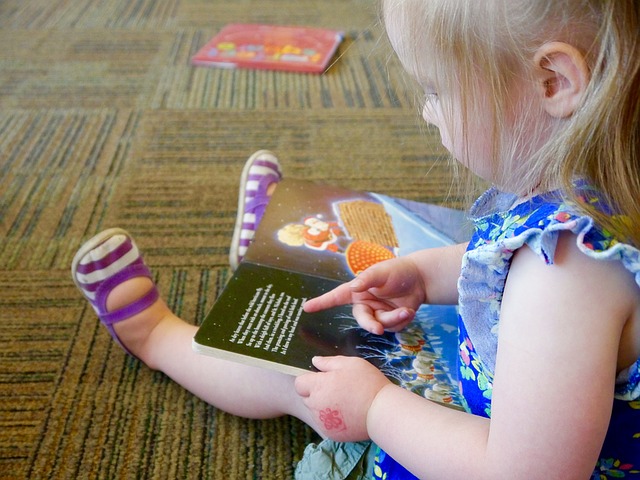
In a feature for Psychology Today, he explains that babies from birth to age three will usually be able to pick up phonic patterns and decoding. However, parents must be prepared to “interact with them joyfully in hands-on experiences” including playing word games and snuggling up to read a book together to reap the best results.
The process should be made positive, interactive and engaging because baby and toddler reading will help children to develop language more efficiently. Tackling things on a slow burn from a young age and making reading a part of everyday life in an informal context will encourage creativity, freedom of expression and language development.
Reading and language also play an important role in toilet training as it’s all about learning independence and how to communicate needs and desires. Even if your child cannot tell you in words that they need to use the potty, they will learn how to communicate this urge. It’s all part of the process.
Realistic Expectations
The key with both milestones is to avoid high expectations. Babies and toddlers cannot be expected to learn to read a book immediately any more than they would learn to do a wee or poo on the toilet the very first time. Instead, active and social exposure to words from a young age is important.
Think outside the box because this doesn’t mean sitting down every day with a story book to read with your child (although this is obviously a good idea). It means talking to your baby and around your baby from the outset, responding to any sounds they make - words or otherwise – which will encourage your child to communicate.
When you’re reading aloud, let them join in either with real words or babble because they are gradually learning the intricacies of language at their own pace in a way that they feel comfortable. Babies are naturally attracted to language and this is something that parents can take advantage of.
Language and Potty Training
Encouraging your child to sit still on the potty is also a challenge – and this is another time when the power of language will prove valuable. Keep a stack of ‘bathroom books’ by your Family Seat and tell or read stories together when they are on the loo.
You can also have books about potty training around the house so that you can talk about the activity together without any pressure and help your child to understand what is going on.
For both milestones, always remember that children will reach cognitive milestones as and when they are ready. There is no set time or date for them to learn. Keep things light-hearted and encourage their natural instincts. Use creativity to keep the fun element and encourage your child to use their brain to work things out.
Mastering milestones may be challenging but it’s also a wonderful time to bond as you teach your child habits that will last them for a lifetime. If you relax, your child will relax too.
Please note that there are just seven days left to take advantage of our 10% off promotion! All you need to do is Like our page on Facebook or Follow us on Twitter and we will send you the discount code in Direct Message. The discount expires on 30 June 2017.